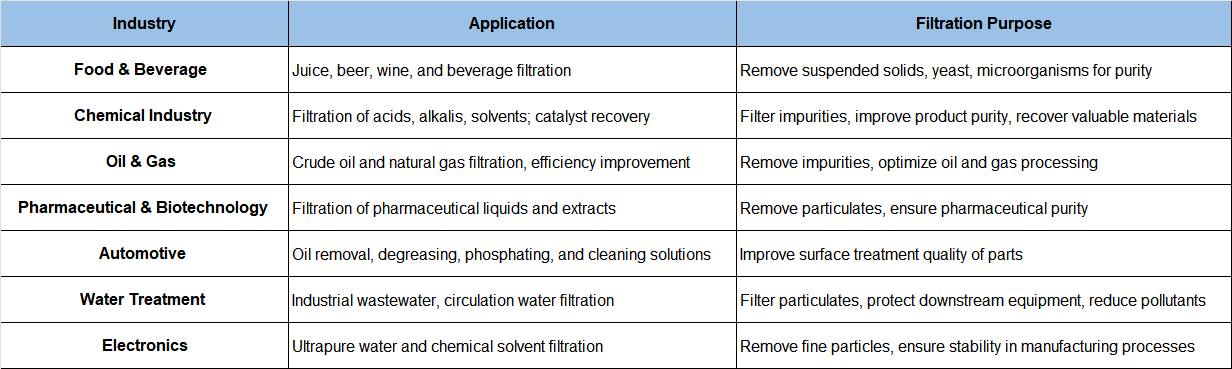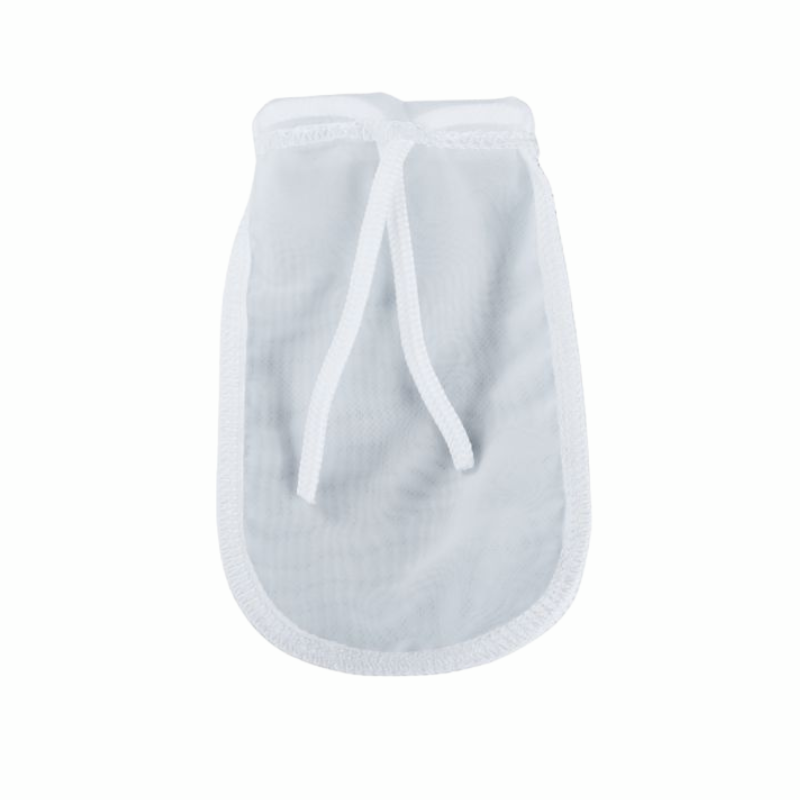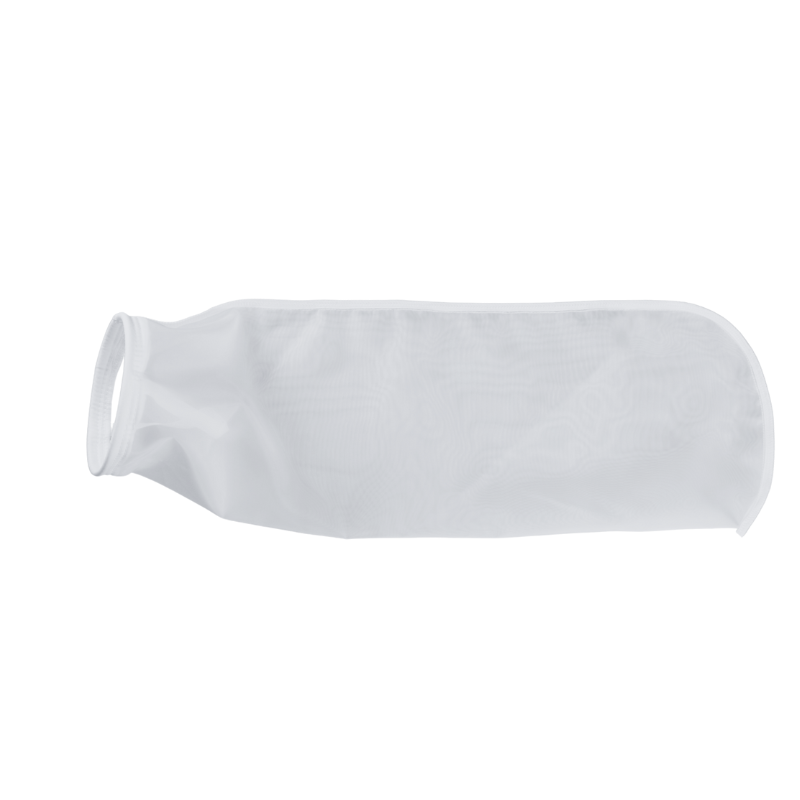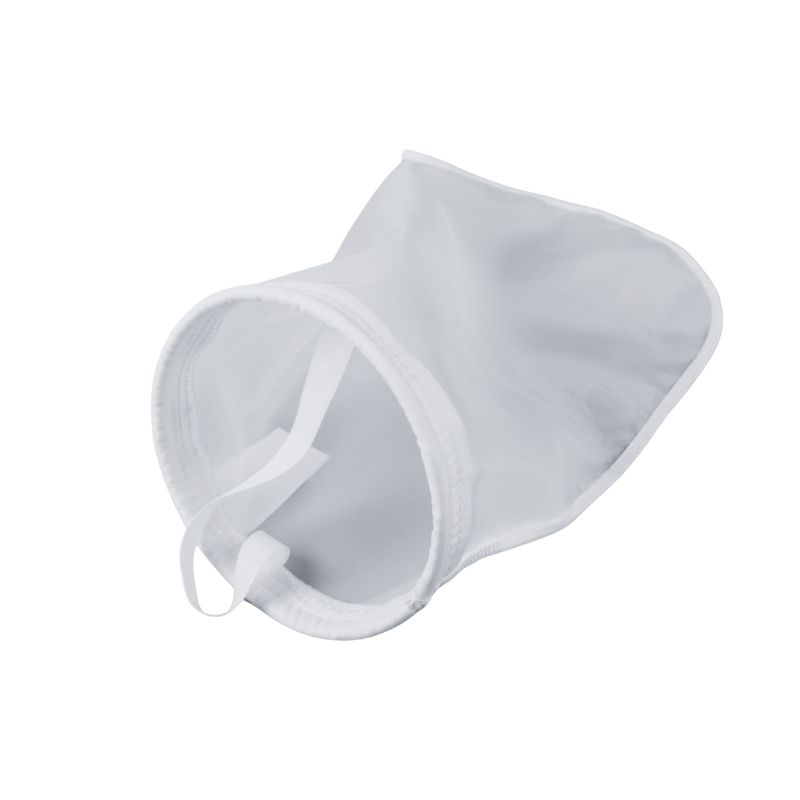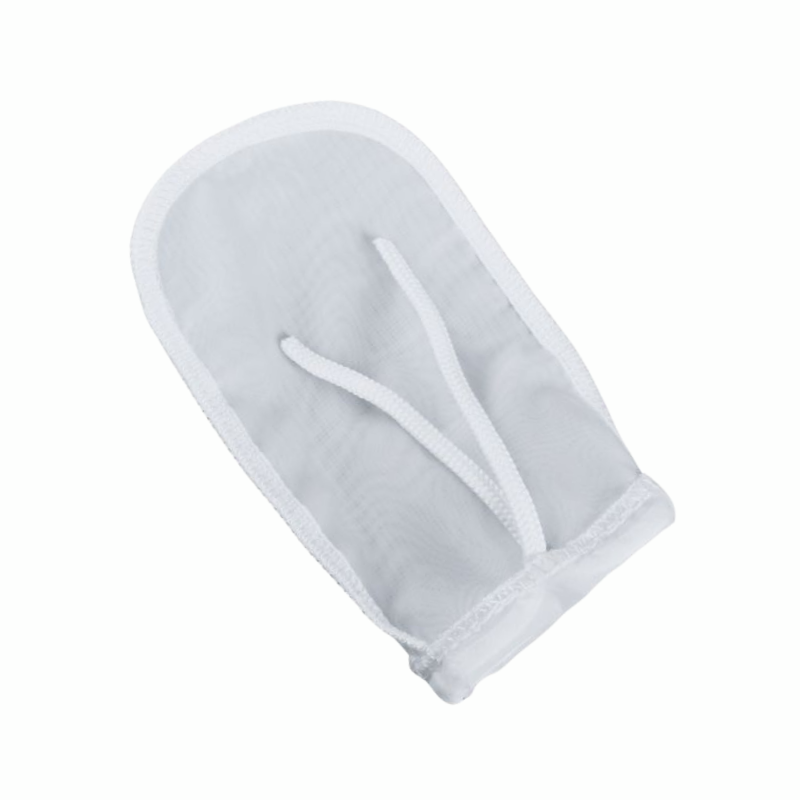
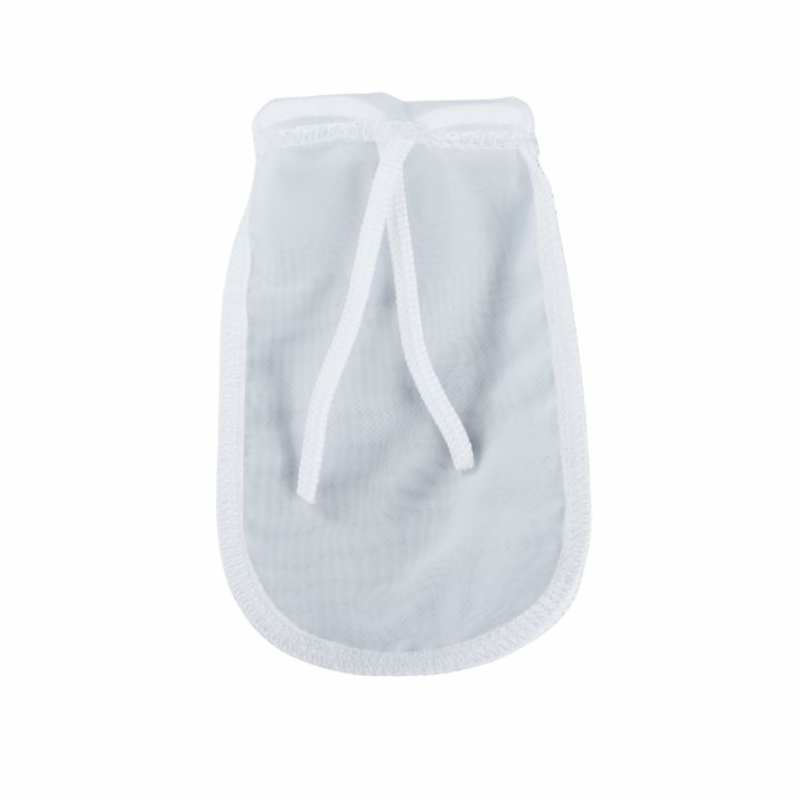
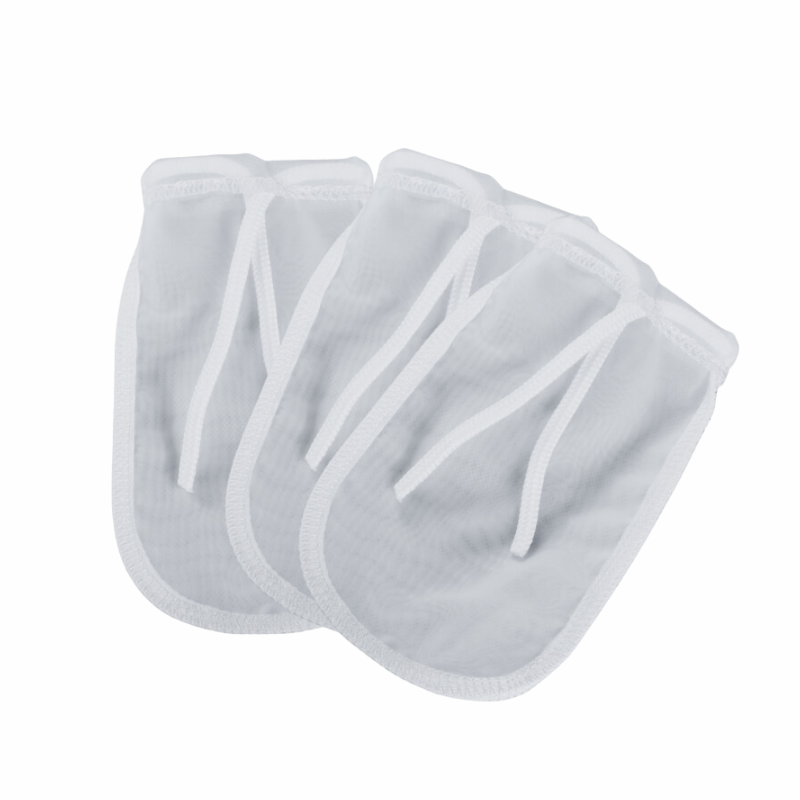
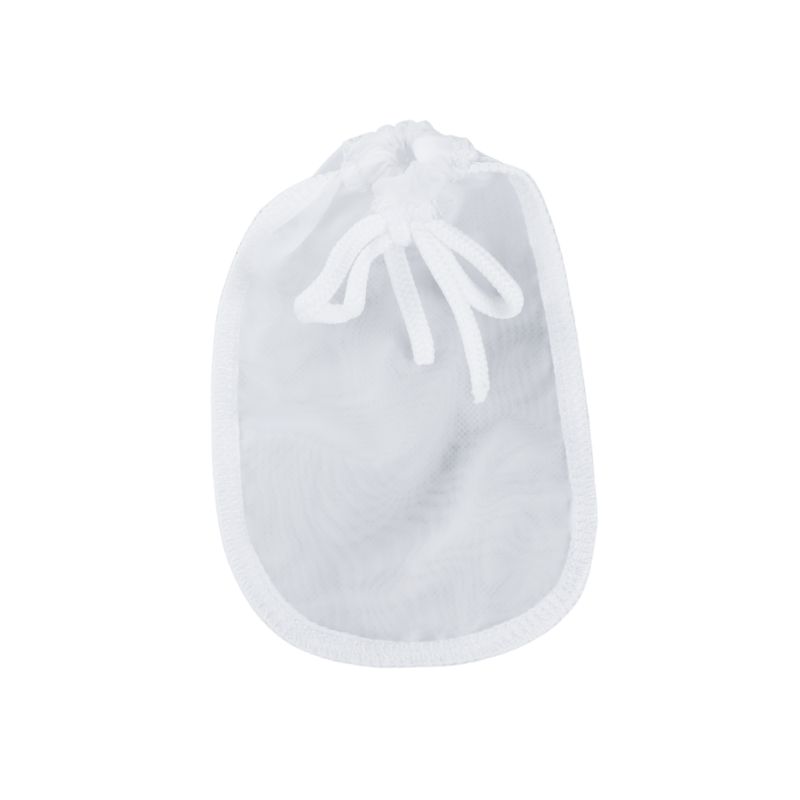
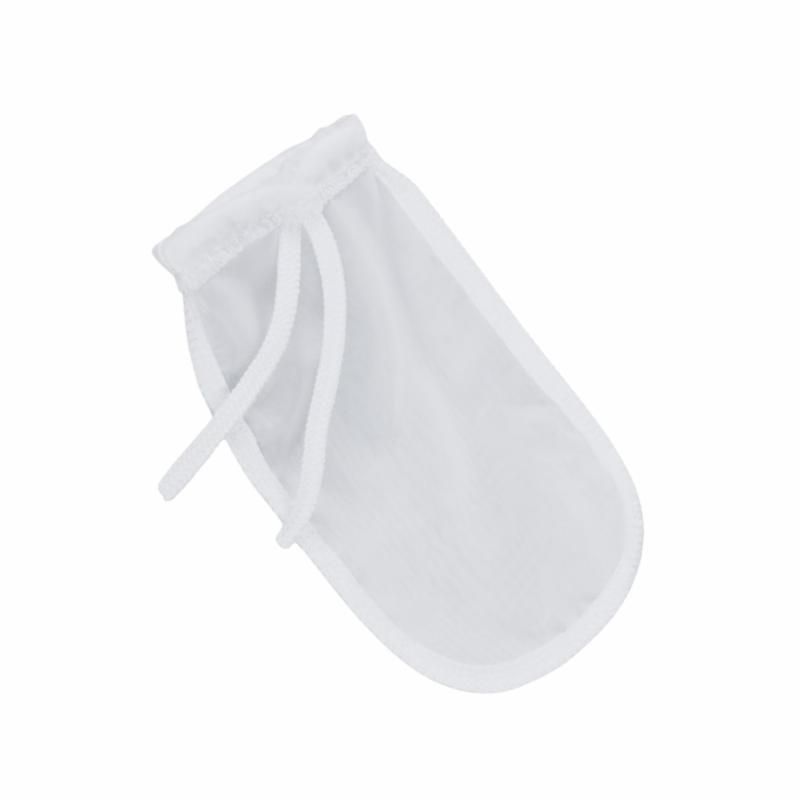
Washable nylon mesh filter bags - filter bag manufacturer
Material: made of monofilament nylon mesh
Micron rating: 1-1250μm
Features: Use the principle ofsurface filtration; non-deformable singlefiber is made into mesh according to special weaving type, and is welded together to add mesh strength. The impurities can be hold back onto thefiltering surface, suites the rough particle filtration.
Advantages: can be repeatedly cleaned, it has lower consumption cost.
Send Inquiry
Technical Parameter
Ensure high-precision filtration with our durable, washable nylon monofilament bags. Contact us today for factory-direct wholesale pricing and professional technical support!
Product Overview
A woven mesh bag works on a simple principle: the particles stay on the surface. Rather than trapping debris deep inside a felt structure, the cloth holds solids on its face, where they build a cake that can be rinsed away before the bag goes back into the housing. The mesh is woven from single, non-deformable filaments and welded together so the apertures hold their shape while fluid is pushed through.
That behaviour makes it a strong choice for coarse and fibrous contamination — the kind of load that blinds a felt bag quickly or sheds fibre downstream. Typical duties include pre-filtration ahead of finer cartridges and membranes, solids removal from process water and cleaning baths, and clarification steps in food, beverage and chemical lines. The bags are supplied in 25, 50, 100, 500 and 1000 microns ratings, so one bag style covers rough screening through to a fairly tight polish, and the open weave keeps pressure drop low even when the fluid is viscous.
Each bag is finished with a sewn ring or collar so it seats in a standard housing without liquid slipping past the top edge. Because the medium can be washed and reused, plants that replace felt bags on a fixed schedule often move their heaviest pre-filtration duty onto a nylon mesh filter bag and keep the finer stages for the final polish.

Monofilament Nylon Structure for Reliable Surface Filtration
These filter bags are made from single-strand woven nylon fibers, creating a smooth surface ideal for capturing coarse and fibrous contaminants. The non-deformable mesh structure ensures consistent filtration without fiber migration, making
them particularly effective in high-flow or viscous fluid systems typically found in bag house filter setups.
Washable & Reusable for Long-Term Savings
Designed for multiple cycles of use, the Nylon filter bag can be cleaned and reused without significant loss in performance. This feature offers a long-term cost advantage for facilities that require frequent bag filter dust collector maintenance.
Trusted by Industrial Bag Filter Manufacturers
As an ISO-certified filter bag manufacturer, EAST FILTRATION adheres to strict production standards. Our nylon filter bags are widely used by bag filter manufacturers serving food processing, water treatment, chemical, and electronics sectors
where reliable filtration and repeatability are essential.
Custom-Tailored for Specific Filtration Needs
From different micron ratings to various ring and collar options, we offer full customization to ensure that each nylon filter bag perfectly integrates with your bag filter dust collector or bag house filter equipment.
Monofilament Mesh Construction
· Single-strand filaments. Every thread in the cloth is one solid filament rather than a bundle of finer fibres, so the opening is set by the weave and stays consistent from one bag to the next.
· Woven, then welded. The mesh is woven to a defined pattern and welded together to add strength at the seams and where the cloth takes the load of the housing.
· Non-deformable under pressure. Because the filament does not flatten or fray, a nylon filter bag keeps its aperture when flow rises, which is what keeps the rating meaningful in a fast-moving line.
· Nothing to shed downstream. There are no loose fibres in the cloth. On a clear liquid that matters: the filtrate stays free of the fibrous carry-over you can get from needled felt.
· Clean cake release. Solids sit on the face of the mesh and the formed cake lifts off, which shortens wash-down and gets the bag back into service sooner.
· Stitched and bound edges. Seams are stitched and the rim is bound, then the ring or collar is sewn in so the bag keeps its shape when it is lifted out full.
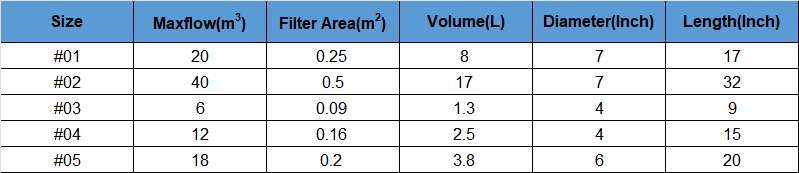
Size Option
Product Advantages
Precision Filtration with Nylon Mesh: Effectively filters coarse particles on the surface, ideal for pre-filtration and protection of downstream processes.
Reusable and Cost-Saving: Washable and durable, reducing the need for frequent filter bag replacements.
Industrial-Grade Construction: Produced by a top-tier filter bag manufacturer, ensuring dimensional stability and filtration reliability.
Compatible with Bag House Systems: Easily integrates into standard bag house filter and bag filter dust collector housings.
Custom Engineered Solutions: Tailored to meet diverse industry requirements, including OEM and bulk procurement.
Bag Material Option

Micron Ratings and Screening Duty
· 1000 microns. The coarsest standard step. It takes out large debris, scale, gasket fragments and general tramp material, usually to protect a pump or a downstream stage rather than to polish the liquid.
· 500 microns. A workhorse pre-filter for dirty incoming fluid — heavy solids come out here so the tighter bags behind it are not changed every shift.
· 100 microns. Where a line carries a moderate, steady solids load and the aim is to keep the bulk of the contamination out of the process without throttling flow.
· 50 microns. A finer surface step for clearer fluid, often used ahead of cartridges or as the final screen on wash and rinse solutions.
· 25 microns. The tightest of the standard ratings we supply. It holds the finest haze the mesh can retain on its face, and it is the one that most needs a coarse stage upstream to protect it.
· A rating is a step, not a score. Choose the coarsest step that removes what your process actually objects to; running a liquid filter bag tighter than the duty needs only shortens the cycle between washes.
Sizes, Rings and Housing Fit
Two sizes carry most of the volume. Size #01 measures 7 × 17 in and suits compact housings and short skids; Size #02 measures 7 × 32 in and gives a longer bag, more surface and a longer interval between washes in a standard tall housing. Both are made in other sizes as well, and both come with a sewn steel ring at the mouth that holds the bag open and keeps it seated when flow is high or the fluid is being pushed through quickly. A plastic top ring is used where that is what the housing takes.
Fit is the part worth getting right on a nylon mesh filter bag. The ring has to land squarely on the housing seat so nothing can slip past the outside of the bag, and the body has to hang clear of the basket without folding on itself. Measure the inside diameter at the seat and the usable length from the seat to the bottom, note whether the housing takes a ring or a collar, and look at the old bag for a reference — that is usually the fastest route to a correct replacement. If the length is marginal, tell us; adjusting the bag is better than having it bunch at the bottom.
Applications by Industry
· Food and beverage. Juice, beer and wine pass through coarse screening before fine filtration; pulp, seeds and yeast solids are held on the mesh and washed off between runs.
· Water and wastewater. Surface-water intake, circulation loops and effluent polishing run a liquid filter bag as the first barrier so cartridges and membranes behind it see cleaner fluid.
· Chemical processing. Where the load is crystalline or fibrous rather than a fine haze, mesh takes the bulk out without blinding early; confirm the media against your chemistry before switching a line over.
· Electronics and ultrapure water. Coarse retention ahead of fine final filters keeps expensive downstream elements out of the maintenance schedule.
· Paint, ink and coatings. Overspray, skin and agglomerates come out on the surface, and the smooth mesh releases the residue instead of holding pigment in the cloth.
· Metal finishing and automotive. Degreasing, phosphating and cleaning baths stay free of sludge, so the bath lasts longer and parts come out consistent.
· Pharmaceutical and biotechnology. Extract and liquid pre-filtration where a washable, fibre-free medium is wanted ahead of the final stage.
Washing and Reuse Cycle
1. Isolate the housing and drain it before you lift the bag; a loaded bag is heavy and awkward to handle at arm's length.
2. Lift it out by the ring — a nylon filter bag full of process liquid needs two hands — let it drain, then tip the loose solids into a waste container rather than rinsing them back into the housing.
3. Rinse from the clean side outwards, or back-flush gently, so the cake lifts off the surface instead of being driven into the weave. A soft brush or a low-pressure jet is enough; do not scour the cloth.
4. Wash with water and a mild detergent that suits your process. Skip aggressive solvents, and never wring or fold the mesh, which distorts the weave and changes the opening.
5. Hold the bag up to the light and check the mesh, the stitched seams and the ring seat. A torn seam or a distorted ring is the signal to retire the bag, not to patch it.
6. Dry the bag before it goes back into the housing or into storage, and make sure the ring is fully seated when you refit it.
Custom Rings, Collars and Private Label
A custom filter bag is usually about the top of the bag rather than the cloth. Housings differ in seat diameter, ring depth and collar profile, and a bag that is right for one plant can sit proud or drop through at another. Send the ring outside diameter, the seat detail and, where you have one, the old bag itself; we match the ring and collar to it and keep the reference on file so repeat orders come back the same.
Beyond the fitting, the variables are straightforward: micron rating, bag length and diameter, ring material — steel for a firm seat, plastic where the housing calls for it — and how the bag is labelled. Distributors and private-label brands can have bags packed and marked to their own specification, and non-standard items are part of normal production rather than a special project. If your line uses a housing that no standard size fits, or you are replacing an imported bag that has become hard to source, describe it and we will work from dimensions or from a sample.
Ordering and Delivery
· Order quantity. Minimums are set per size, rating and ring style. Confirm the quantity you need with your sales contact before you commit a line to a changeover.
· Price. Quotations are built from bag size, micron rating, top fitting and quantity, so the same size in two ratings can quote differently.
· Lead time. Confirmed at quotation, and it depends on whether your size and rating are held in stock or need to be made. Build the date into your change-out plan.
· Samples. Ask your sales contact whether a sample of your chosen size and rating can be arranged so you can trial the fit before a bulk order.
· Packing. Bags are packed to protect the mesh and hold the ring shape in transit. Confirm carton quantity and labelling with your contact if you need them a particular way.
· Shipping terms. Incoterms, port of loading and freight arrangements are agreed on the quotation — ask for the terms to be stated in writing.
· Documents. Tell us which test reports, declarations or market-specific paperwork your buyer requires, and confirm exactly what will travel with the shipment.
· Non-standard builds. If your custom filter bag needs a different length, ring or collar, the drawing or sample has to be agreed before production, and that affects both price and lead time.
About EAST Filtration
EAST Filtration (Shanghai) Co., Ltd. is a filter bag manufacturer working across research, production, sales and technical service of filtration products, with more than 12 years in the field. The range reaches beyond bags to filter housings, filter cartridges, air and dust filters, filter accessories and water treatment systems, so the bag, the housing it sits in and the cartridge downstream can all come from one source.
Much of the work is non-standard. We produce to American, Japanese and German standard specifications, make substitutes for imported products and manufacture one-off items to drawings. If a bag you have been buying has changed its part numbering, send the old bag or its label and we will match construction and fit rather than asking you to change housings.
We also work as a technical filter bag supplier rather than a catalogue counter: send the housing, the fluid or the bag you are replacing, and the answer comes back with a recommended construction — grade, micron, collar and size — not just a part number and a price.
Production Strength
· 5,000 m² in Shanghai. Needling, cutting, sewing and finishing run under one roof with full-time workers and experienced technicians, which is what lets a custom size be scheduled alongside a standard order.
· Produced to American, Japanese and German standards. Standard specifications, substitutes for imported products and non-standard items to drawing all come off the same line.
· A media library, not a single felt. The polypropylene filter bag line sits alongside polyester, extended-life, nylon monofilament and PTFE media, so a change of grade is a production decision rather than an import.
· Reach. Products are sold to more than 30 cities in China and exported to the United States, Canada, Italy, Malaysia and Japan.
· Checks before packing. Each run is inspected against the agreed specification, and the documents that travel with an order match the batch that was made.
· Custom work as routine. A filter bag manufacturer that needle-punches its own felt can change a ring style or a micron rating without new tooling — ring and collar styles, sizing and private-label printing all run through the same team.
· Predictable repeats. Stock media and scheduled needling keep repeat orders on a steady cycle instead of quoting from an empty bin.
Environmental Management
Environmental management here runs under a certified ISO14001 system: raw material use, waste and energy are identified and managed as part of the operation rather than left to habit, and the certificate is available for a procurement file.
Most of the environmental gain in this product comes from consumable volume. Because the extended-life felt keeps collecting solids far longer before change-out, the same duty consumes fewer bags and produces less spent media over a year.
Longer intervals pull other savings with them. Every change-out carries rinse water, cleaning fluid and labour hours with it, and a plant that changes four times a season instead of sixteen spends a quarter of the water and a quarter of the hours.
Spent bags leave as industrial waste. We supply the media composition of your order with the documents so your EHS team can classify and route it under local rules.
If your tender scores packaging, material disclosure or recycled content, raise it at quotation stage and we will confirm what can be documented for the grade you are buying.
Customer Collaboration Process
1. Consultation. We start with the application — fluid, temperature, particle size, flow and the housing the bag goes into — rather than with a part number.
2. Product selection. PO against POXL, the micron step, and the size that fits the housing you actually have, including a two-stage arrangement where that works out cheaper across a year.
3. Customization. Ring and collar style, sizing, micron rating, private-label printing and packing all built to your specification.
4. Quality assurance. Each run is checked against the agreed specification before it is packed, and the paperwork travels with the goods.
5. After-sales support. Technical help on seating, change-out intervals and troubleshooting once the bags are in service, plus a review of the specification if a bag is not lasting as long as it should.
Global Service Capability
· Plants already running our media. BASF, General Motors, Master Kong, Bright Dairy and SAKATA INX are among the operations we supply across chemical, automotive, food and ink applications.
· Domestic distribution. Products reach more than 30 cities in China through a distribution base that keeps standard sizes on the shelf.
· Shipments to the United States, Canada, Italy, Malaysia and Japan. Bags travel in the packing format each market expects; tell us the pallet and labelling standard and the order arrives ready for your warehouse.
· Wholesale and distributor support. We supply distributors and OEM brands as a filter bag supplier with market support and after-sales service behind them; ask your sales contact about sample availability when you need to test a grade before a launch.
· Fixed specification across repeat orders. Distributors and OEM brands work with us as a filter bag manufacturer that keeps the same media, collar and micron between batches, so a private-label programme does not drift.
· One technical language. Drawings in inches or millimetres, US or metric fittings and local standards are all read against the same specification sheet before a bag is made.
Commitment to Sustainability
Sustainability shapes how we run our production, not just what we say about it. Our operations follow the ISO 14001 environmental management standard, a framework that guides how we track, control and steadily reduce the environmental impact of everything we make. That means looking closely at how materials, energy and waste are handled at each stage, and treating improvement as ongoing work rather than a one-time effort. If you need the specific environmental documentation or certificates that apply to your order, our team can confirm what is available for your project.
Testing & Compliance
Our Shanghai factory's credentials include ISO9001 quality management, ISO14001 environmental management, CE and SGS third-party testing, and we keep those documents current for buyers who need them on file. Tell us which standard your market or end customer works to, and we will confirm the applicable certificates and test reports and send copies with the order documents. If your own supplier audit needs specific records, request them at the quotation stage so we can prepare everything in advance.
FAQ
Q1. How do I measure my housing for a replacement bag?
Measure the inside diameter across the ring seat, then the usable length from the seat down to the bottom of the basket. Note whether the housing takes a ring or a collar, and check the old bag for a reference printed or stitched on it. A photo of the housing with the old bag beside it is often quicker than a drawing.
Q2. Will the same bag work in a bag-house dust collector and in a liquid housing?
No. This is a liquid service bag, wetted by the fluid it filters. Dry dust-collector bags are made from different media and sized to a different geometry. Tell us which duty you are buying for and we will point you to the right product instead of sending a bag that will not work.
Q3. What happens if the bag is slightly too long or too short?
A bag that is too long folds on itself at the bottom, which blinds part of the mesh and can lift the ring off its seat as the bag fills. A bag that is too short leaves a gap below the basket and lets unfiltered liquid around the outside. Either way you lose the rating you paid for, so it is worth confirming the length before ordering.
Q4. Do these bags suit viscous or fibre-laden liquids?
They handle both well. The open weave keeps pressure drop low when viscosity rises, and because solids sit on the surface, fibrous material releases from the mesh instead of matting into it. On a heavy fibre load, set the wash interval around the flow drop rather than the calendar.
Q5. How do I know when the bag needs cleaning rather than replacing?
Watch the differential pressure across the housing and the flow at the outlet. A steady rise in pressure with falling flow means the surface is loaded and the bag is due for a wash. If the pressure does not come back down after cleaning, or you can see a tear, a stretched seam or a distorted ring, replace it.
Q6. The standard range covers 25, 50, 100, 500 and 1000 microns — can I order other ratings?
Those five are the standard steps. The monofilament mesh itself covers roughly 1 to 1250 μm, so other points in the range can be discussed if your process sits between two standard ratings. Send the particle size you are targeting and we will confirm what is practical.
Q7. Are these used in food and beverage plants, and what paperwork comes with them?
Yes — juice, beer, wine and similar streams are common duties for a nylon mesh filter bag, usually as coarse screening ahead of a finer stage. Tell us which declarations or test documents your market requires and we will confirm what applies to this product and supply it with the order.
Need a long-life, reusable filter bag solution for your bag house filter or bag filter dust collector system?
Contact EAST FILTRATION today – your reliable filter bag manufacturer for industrial-grade filtration solutions tailored to your operations.
Use to